Now in his fifth season as a company dancer with Ballet BC, Michael Garcia takes a leap into choreography for Ballet BC's junior company, Annex. We sat down with Garcia to learn more about his inspirations, his process, and what audiences can expect from the new creation.
What does dance mean to you? How has dance affected your artistic practice and impacted you as an artist, as a human?
In the simplest way to describe it, dance is everything to me. I have been committing myself and my life to dance as a form of expression, as a form of livelihood, since I was seven years old. I don’t think I know how to do anything else, and as a creator and choreographer, dance is my avenue for processing, unloading, and understanding my experiences and the curiosities I’m holding—both as an artist and as a person.
Ballet BC Annex is, in part, an arts education program. How do you think arts education plays a role in society today? How did arts education play a role in your own journey?
Arts education is hugely important for child development, social skills, social behaviours, and understanding pretty grand concepts as an adult, like responsibility, practice, community, and collaboration. Going to an arts high school, I was able to experience firsthand how exposure to arts education as a resource can make a fundamental difference in someone’s ability to understand, or to hope for a career in the arts. Arts education can also help with recognizing the many different avenues for expression, identity, and creativity, and can act as an outlet for teenagers and children at a very necessary time in their life.
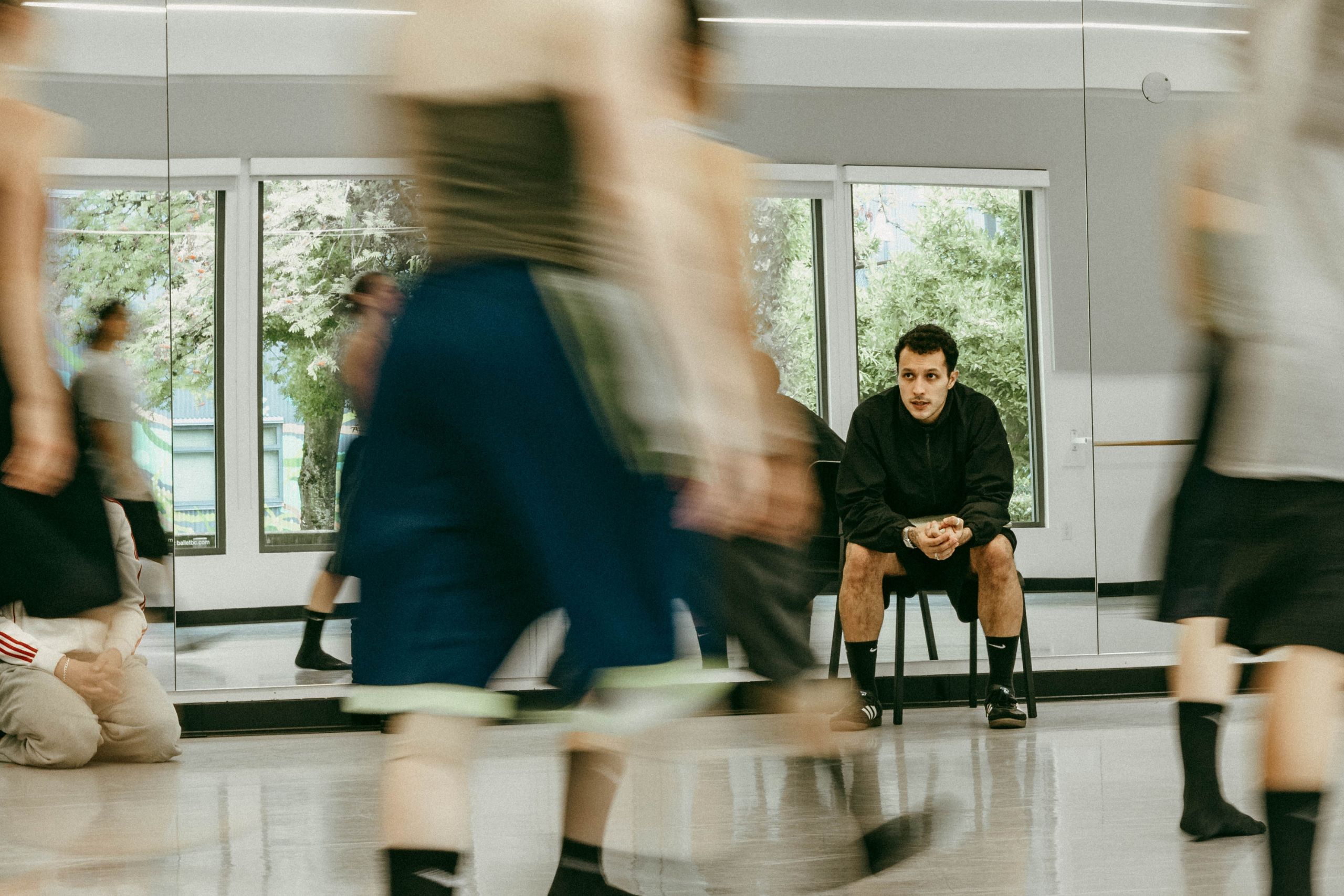 Ballet BC artist Michael Garcia. Photo by Millissa Martin.
This will be your Ballet BC Annex choreographic debut. What does it mean to you to have that opportunity to choreograph for the junior company?
This is my first, I would say, “big boy” commission. I have been fortunate to receive commissions in the past from educational institutions such as Arts Umbrella, the Juilliard School, and Ailey/Fordham, but getting to work on a junior company that is more related to a professional lifestyle and outlook is already changing my creative process and the way that I’m approaching the dancers. It’s also a really big demonstration of trust from Ballet BC and Medhi Walerski. It’s a huge opportunity to get to wear multiple hats, and try to be both the best dancer and the best choreographer I can be, in the same building, on the same day.
You are, as you mentioned, also a dancer with the company, which means you’re a busy guy right now. What drives you or keeps you motivated?
Something I’ve been thinking about recently, while not putting too much pressure on myself, is the fact that I’m the first Ballet BC company member who has worked on a creation for Ballet BC Annex at the same time as being in a creation for Ballet BC’s main season. Something that’s really motivating me is trying to take as much advantage of this opportunity in hopes that this experience can happen for many more of my colleagues in the future.
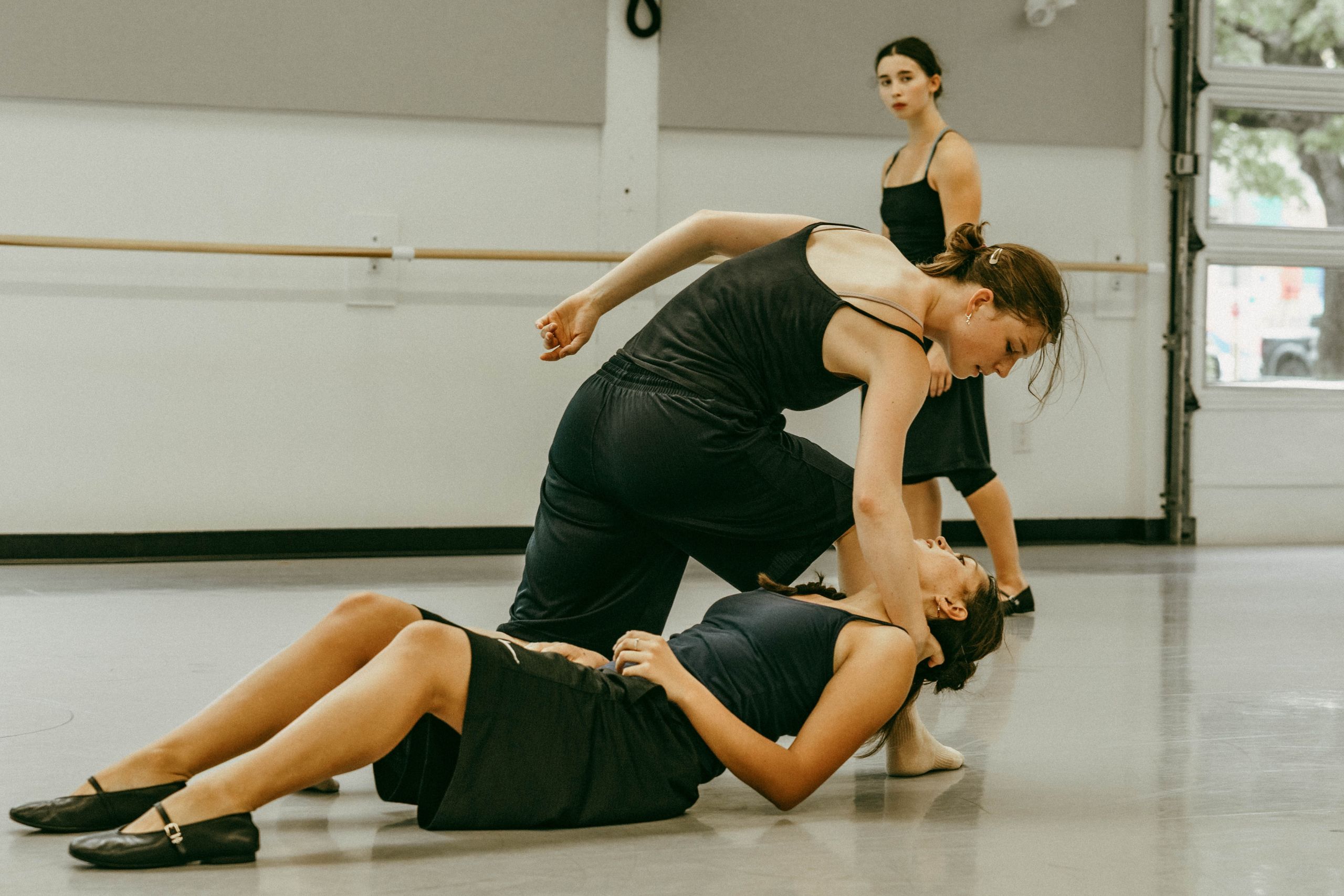 Artists of Ballet BC Annex. Photo by Millissa Martin.
Can you tell us a bit about the genesis for the piece, the inspiration behind it?
Recently I’ve been trying this backwards creative process where I choose something that normally comes up during the final stages of a process at the very beginning of my process. For this piece, I decided to choose the title, Can’t Carry Ghosts, before I knew what song we were using, before I even knew what dancers would be participating in Annex this season. So now it’s an interesting process between me and the dancers, because it’s almost like knowing the answer to a question, without really knowing how we got there, and how we all relate to it. It opens up much more of a collaborative conversation about what the title means to us, its first impressions, and what’s necessary to earn a title. That was the real first starting point for the piece.
Beyond that, I’ve been taking some ideas and concepts that have inspired me in the past couple pieces I’ve made, and seeing how I can understand them in a different context. I haven’t choreographed on a group of eight people yet—I’ve done small casts like one or two, or even large casts like 30—so I think eight in a specific conversation as this one is really interesting right now.
Is there anything more you want to say about the choreographic material, or your process of putting the pieces together?
Lately with my pieces, I’ve been trying to create a narrative that exists but isn’t so strict that the audience can’t place themselves into what’s happening on stage, or see other related ideas or storylines. It’s not that there isn’t a story in mind, I just hope that the piece is relatable enough that someone could see a small piece of their own lived experience inside of it, and be inspired.
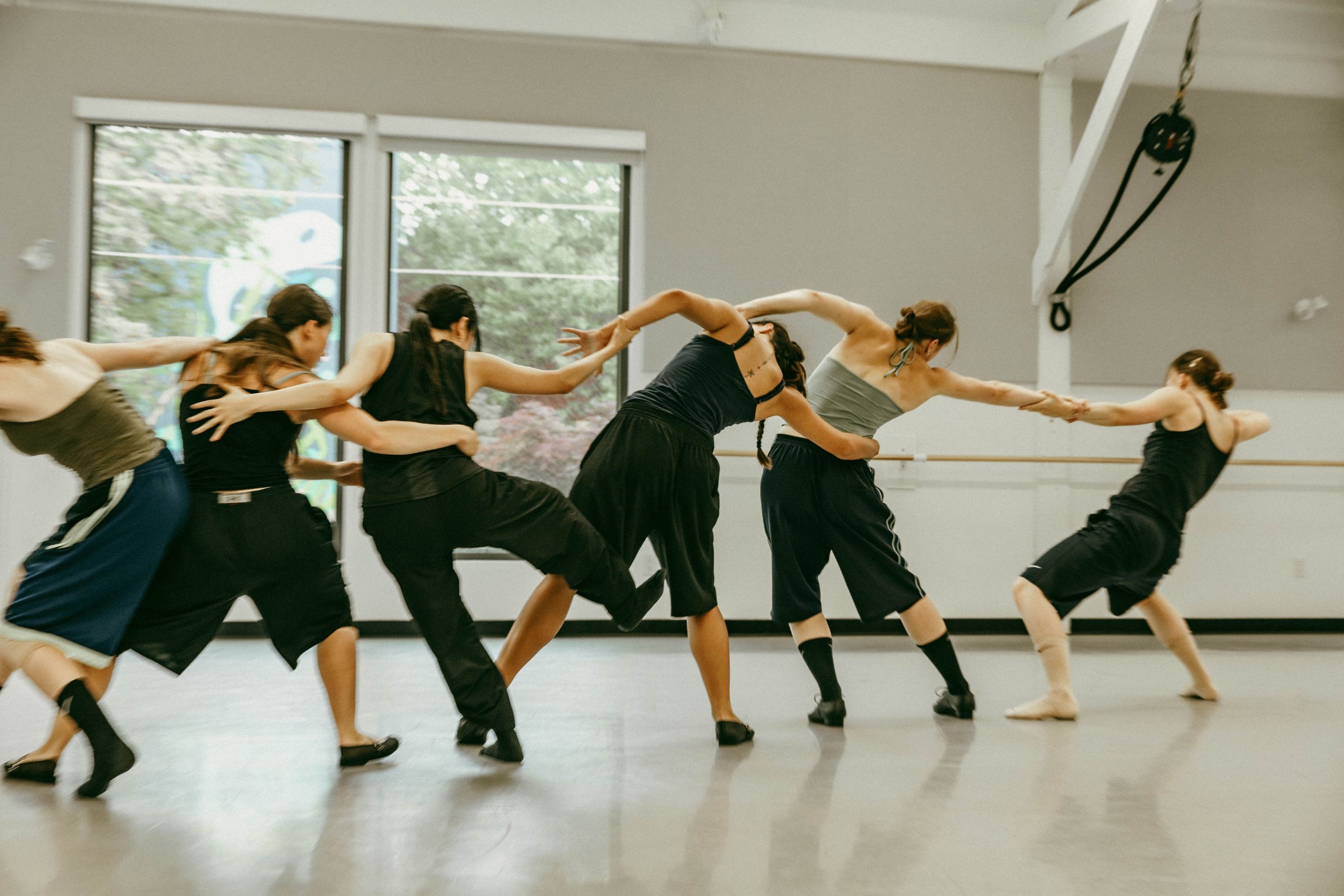 Artists of Ballet BC Annex. Photo by Millissa Martin.
Would you like to share more about the other artistic elements, such as music, lighting, or set?
I’m using Nocturne No. 17 in B major by Frédéric Chopin. It’s a piece of music I’ve actually choreographed to before; I love choreographing to piano music. I’m also finding in my own experience, both as a dancer and as an audience member, that classical music is being used less and less frequently. I think it’s daunting and challenging to use music that has such a reputation, and so much emotion interwoven into the score. But it’s really interesting to see the dichotomy of pedestrian movement, versus the grand drama of the classical piano score. Choreographing to this classical score is something that relates to my own personal artistic wants, and also contrasts the other pieces that the Annex dancers will be performing on tour this season.
Is there anything else you would want audiences to keep in mind?
Where Annex dancers are in their careers is very specific and very unique. They’re very much in a state of in-between, and that’s something I can relate to as an emerging choreographer. I have tools and lessons and experiences that do inform my practice and the artist I am today, but there’s still a lot left to learn and understand. Annex artists are in a very similar place in their dancing, and I think that actually creates a common mentality and a sense of trust in the room. Going into a circumstance where I haven’t worked with the dancers before, while still experimenting with my own creative process, can feel really scary. But because we’re all in a similar boat, it’s actually more relieving than anything.
Learn more about Ballet BC Annex


